The Real Stories Aren't At The Finish Line
Watch what happened when a 2-year-old Boykin Spaniel—an insecure yet competent dog with only six training sessions—faced 40+ obstacles over 4 miles of terrain at the OneWorld Canine Obstacle Run in Alabama.
No extensive preparation. No specialized obstacle course training.
Just a young dog with natural drive, a handler willing to trust him, and a chest-mounted GoPro Hero 13 Black capturing every heart-pounding moment.
What You Just Watched
You just watched the finished product.
Four miles of fearless climbing, tunnel sprints, and obstacle after obstacle conquered without hesitation. It's impressive. It's exciting. It's the kind of performance that makes you think, "That dog is incredible."
But here's what I've learned after years of competition, training, and pushing myself and my dogs to new limits:
The most interesting part of any story isn't the performance you see—it's the journey, decisions, practices, and behaviors that made it possible.
My Training Evolution
I'm not a world-class athlete. But I do understand what elite training looks like.
I was a Division 1 springboard diver at the University of Miami. I know what it means to train at very high level—the volume, the intensity, the singular focus, the sacrifices, grit, and perseverance required to compete at the highest levels while studying a demanding degree in Biomedical Engineering.
Since college, I've tackled a number of difficult physical challenges. But nothing that would really compare to the level of training I was involved in during those years. And that was an intentional choice.
As I've aged and my lifestyle has changed, my training philosophy has evolved. I've discovered practices that actually work for real people with real lives—strategies that don't require you to train like a college athlete to achieve remarkable results.
This obstacle course run with Maverick? It's a perfect example of that evolved approach.
The Pattern Behind Every Great Performance
When you watch an Olympic athlete win gold in a competition that finishes in minutes, the real story is the four-year training cycle and sometimes the lifetime of preparation and sacrifice you never witnessed.
When you see a startup succeed overnight, the compelling narrative is the years of attempts and pivots that led to breakthrough success. Or in this era, unlocking new efficiencies with AI that condenses learning and building cycles from years into months.
When a championship team hoists the trophy, the untold story is the roster decisions, the chemistry-building experiences, behaviors on and off the field, the competitions that tested their grit, and the practices where they transformed from talented individuals into an unstoppable unit.
The Dog Who Wasn't Ready
Here's what the video doesn't show:
Maverick cried for 30 minutes before the race started.
We were separated from our pack, and without them, his insecurity took over. This wasn't the confident athlete you saw on camera. This was a scared dog who depended on his pack for courage.
That's when I knew this race would transform Maverick into a new dog.
This race gave him his own confidence.
Maverick's Untold Story
And when you watch that video of my Boykin Spaniel—Maverick—scaling tall walls and charging through pitch-black tunnels?
Before that race, Maverick hadn't proven himself to be the fearless warrior you saw charging after those obstacles. He depended on his pack for confidence.
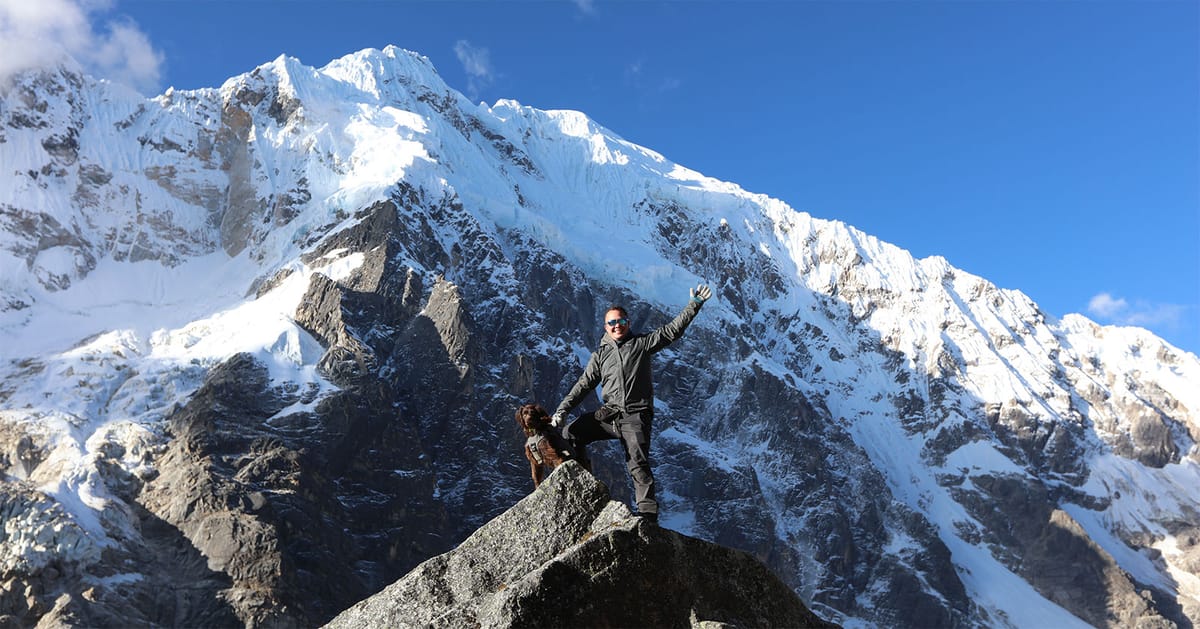
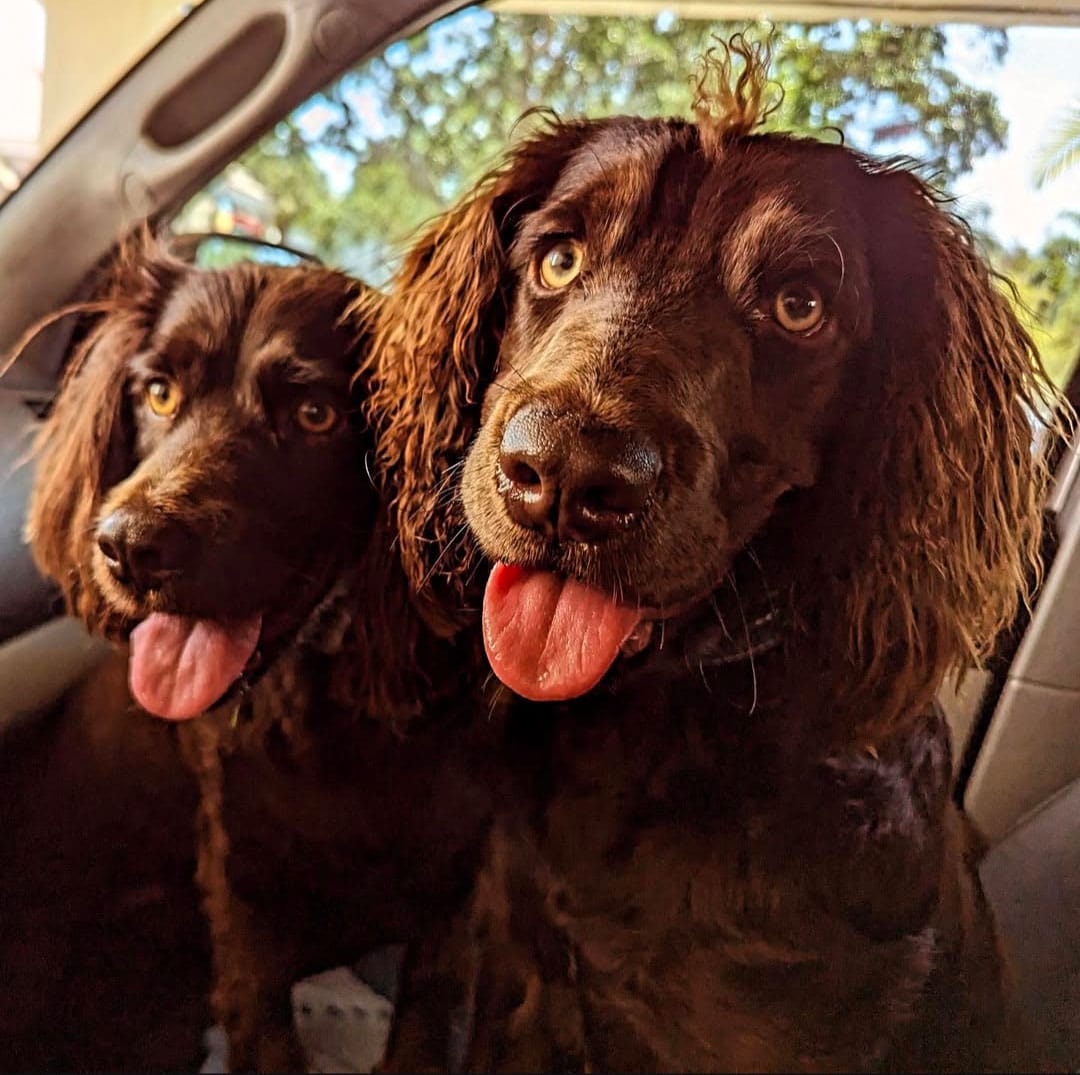
I had two dogs who could have run this race. Maverick (2) and his older sister Darcy (5). Full siblings, three years apart. Darcy a seasoned veteran of difficult tasks and training. Darcy any I once walked 100 miles in seven days through mountains topping 15,190 feet.
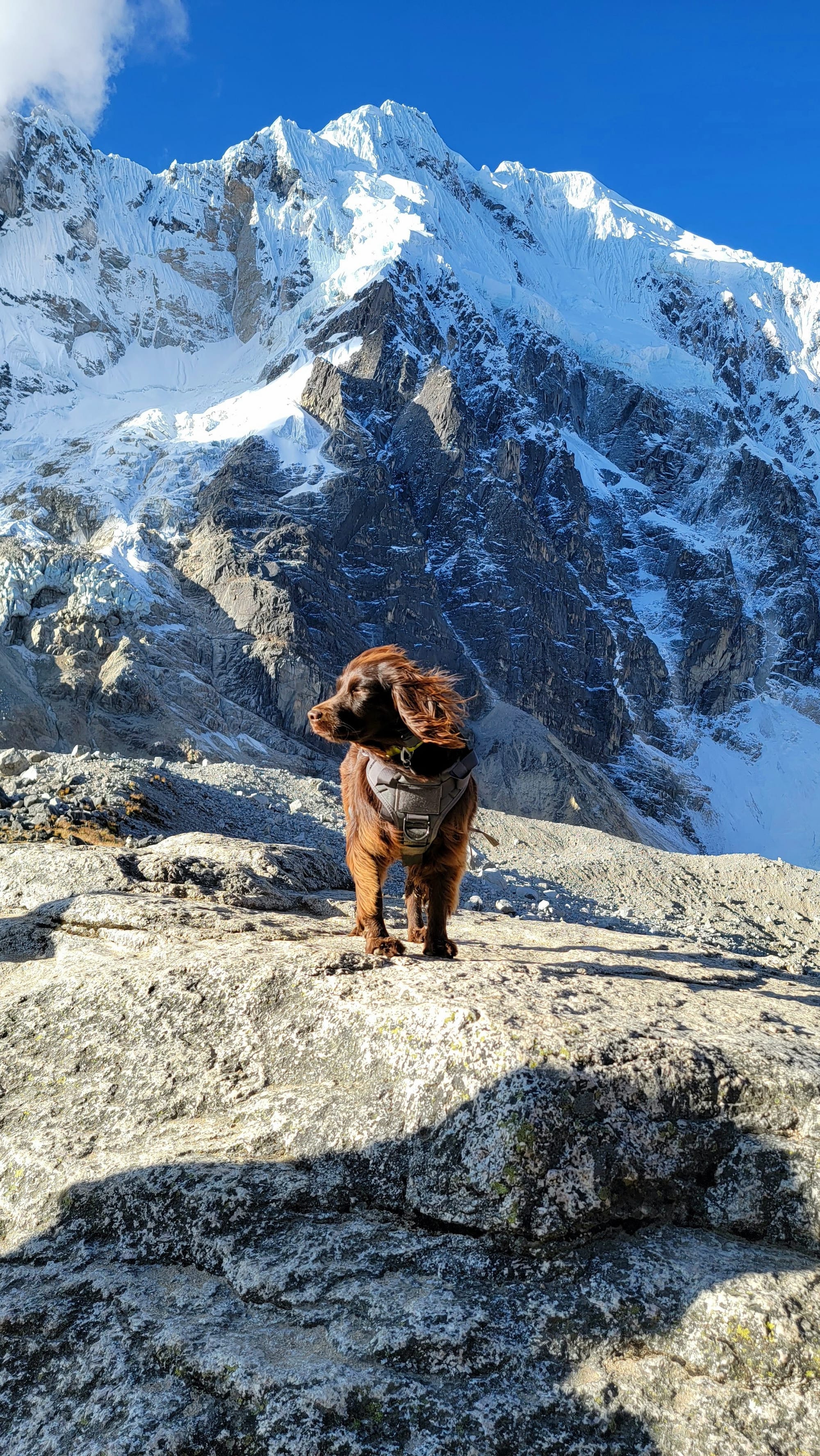
I chose the insecure younger dog over the experienced athlete.
The real story is in the choice I made about which dog would compete, based on observing them in training. It's about why only six weekend training sessions were enough to prepare us. It's about the strategic decisions and leadership moments that encouraged and determined our persistence and teamwork during the difficult moments of the race.
The Bigger Picture: Beyond the Obstacle Course
Not just a story about a human and dog conquering an obstacle course.
It's about what happens before the finish line of any objective or outcome. It's about the preparation, the decisions, and the approach to bring the entire pack through the finish line that is similar to many first time transformations:
When you're doing something for the first time—something difficult, something uncertain—select with intention who will face those first encounters.
You train and equip everyone who may be able to pioneer with you. You face new challenges with a small, competent group first. You work through what you need to learn and prove what's possible. Then you iteratively scale and expand—even when you know not everyone is ready yet.
Start at scale with the unprepared, the unwilling, or the incapable with significant uncertainty?
You'll create distracting experiences, suffer attrition, and risk building a toxic culture.
Start with the right partner, the right group, make deliberate choices in preparation, face the real thing together, establish learning after each cyclical completion?
The sky's the limit.
You don't just complete challenges—you forge something beyond the objectives that is unbreakable and scalable.
What's Behind the Curtain
Over the next few blogs I share in this series, I'm going to pull back the curtain.
You've seen what the GoPro captured. Now let me show you the story with some documented steps along the way to relate this message:
- The training philosophy and selection process that happened weeks before race day
- The six training sessions that looked nothing like the actual course
- The pioneer principles that applies to business, leadership, and life
- The race day moments where preparation met reality
- The self-confidence and bond that emerges when you face something difficult together
Because when you understand these lessons and story, you don't just appreciate the result—you gain a framework for creating your own success in conquering objectives with any group at any scale.
Join Me on This Journey
Now that you've seen the end result in this case, let me walk you through it.
The journey that transformed an insecure dog into a fearless competitor. The journey that continues to reinforce principles about leadership, team building, and strategic pioneering more than any business book ever could.
Beyond that, I want to share the applicable training practices that made this possible—principles I've learned from practical research and experience over years of moving from Division 1 athletics to real-world challenges post-athletic lifestyle.
Practices that actually work when you don't have 20-30 hours a week to train. Strategies that leverage efficiency over volume, selection over exhaustion, and smart preparation over endless repetition.
Throughout this series, you'll get both the philosophical framework and the tactical practices I use. The mindset and the methods.
The journey that started with a simple question: "Which dog should I compete with?"
Conclusion
The video shows Maverick conquering 41 obstacles. But the real story—the one that matters for your business, your team, your next big challenge—is what happened before that proving race day.
Strategic selection. Intentional preparation. The pioneer principles to have a successful group run.
This isn't about dog training. It's about how you approach anything unconquered:
Train everyone. Pioneer selectively. Learn deeply. Expand strategically.
In Part 2, I'll break down my current training philosophy and practices and exactly how and why I selected Maverick over my experienced dog, and how you can apply this framework to your next challenge.
Subscribe to follow the complete journey from preparation to execution to expansion.
Coming next in Part 2: The Training Philosophies and Selection Process →
About This Series
This is the introduction of a multi-part series covering training and preparation philosophies, the pioneer principles—a framework for successfully leading teams through unconquered territory—and expanding the experience for others.
But it's also about practical training philosophies that work for people with full lives, demanding careers, and responsibilities beyond the gym.
I'll be sharing the specific practices I've proven effective through years of athletic competition and post-college challenges. Subscribe to follow along as we break down the complete strategy from selection to execution to expansion—and the training evolution that makes it all sustainable.
Related Content:
- Watch the full run: https://youtu.be/c1KIvc_8eXA
- OneWorld Canine Obstacle Run: https://oneworldcanineobstaclerun.itsyourrace.com/
- Connect with me on LinkedIn: https://www.linkedin.com/in/toby-brooks-7b78b914/