The Art of Connection: My Journey Through Portraiture
“A portrait isn’t posed—it’s revealed.”
A Lens That Found Its Purpose
Portrait photography has always been more than just a genre to me—it’s a relationship between trust, timing, and truth. I love how a camera can become invisible when real connection takes over, when conversation fades into comfort, and the subject forgets they’re being photographed.
Moments of connection often appear when people forget the camera is there.
Whether it’s a family laughing together, a quiet glance between loved ones, or a child lost in play, those are the images that linger—the ones that make you feel something long after the shutter closes.

From Candid Beginnings to Intentional Storytelling
My journey into portraiture didn’t begin in a studio. It started on dusty roads across Africa, through crowded markets in Haiti, and alongside playgrounds in Peru. I photographed youth mission trips where joy and purpose intersected, documented nonprofit work that revealed dignity in daily life, and captured youth groups simply because I believed their stories mattered, and I was hungry to learn and provide a service while doing so.
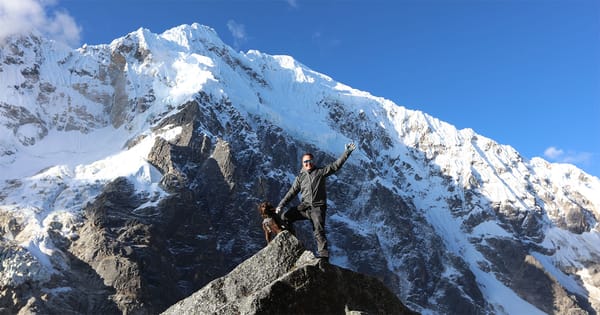
Travel taught me patience, empathy, and how to see beyond the frame.
Each trip became a classroom. I learned to slow down, listen more than I directed, and wait for people to simply be. The camera became my translator—a bridge across language, culture, and circumstance. Looking back, those were my first real portraits, even if I didn’t call them that yet.
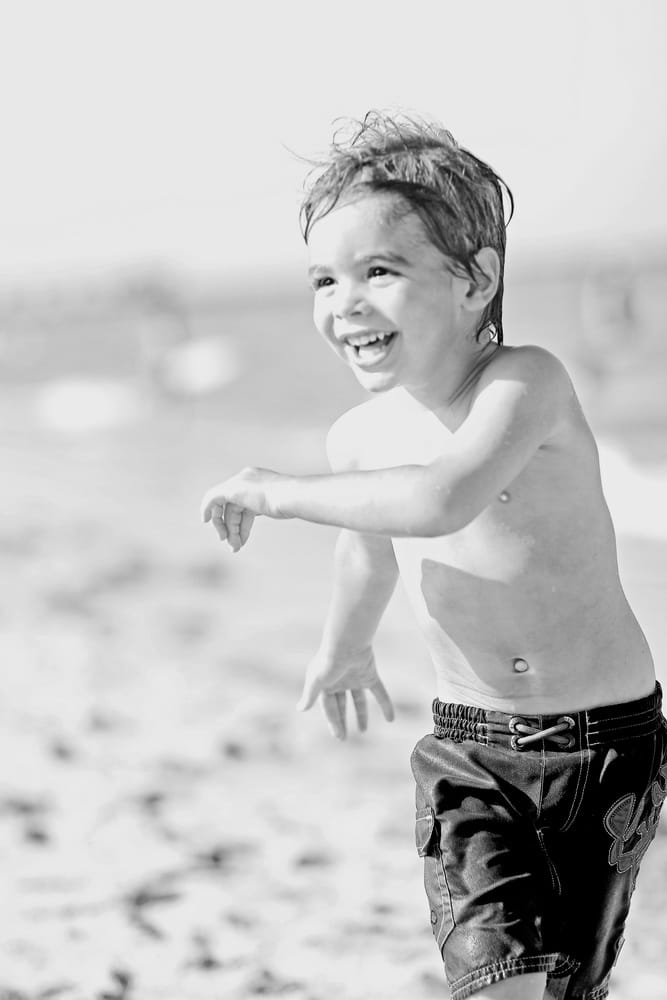
The Question That Changed Everything
Somewhere between all those travels and volunteer projects, people began asking me:
“Do you do portraits?”
At first, I hesitated. Portraiture felt deliberate and structured, the opposite of the spontaneous candids I loved. But curiosity won.
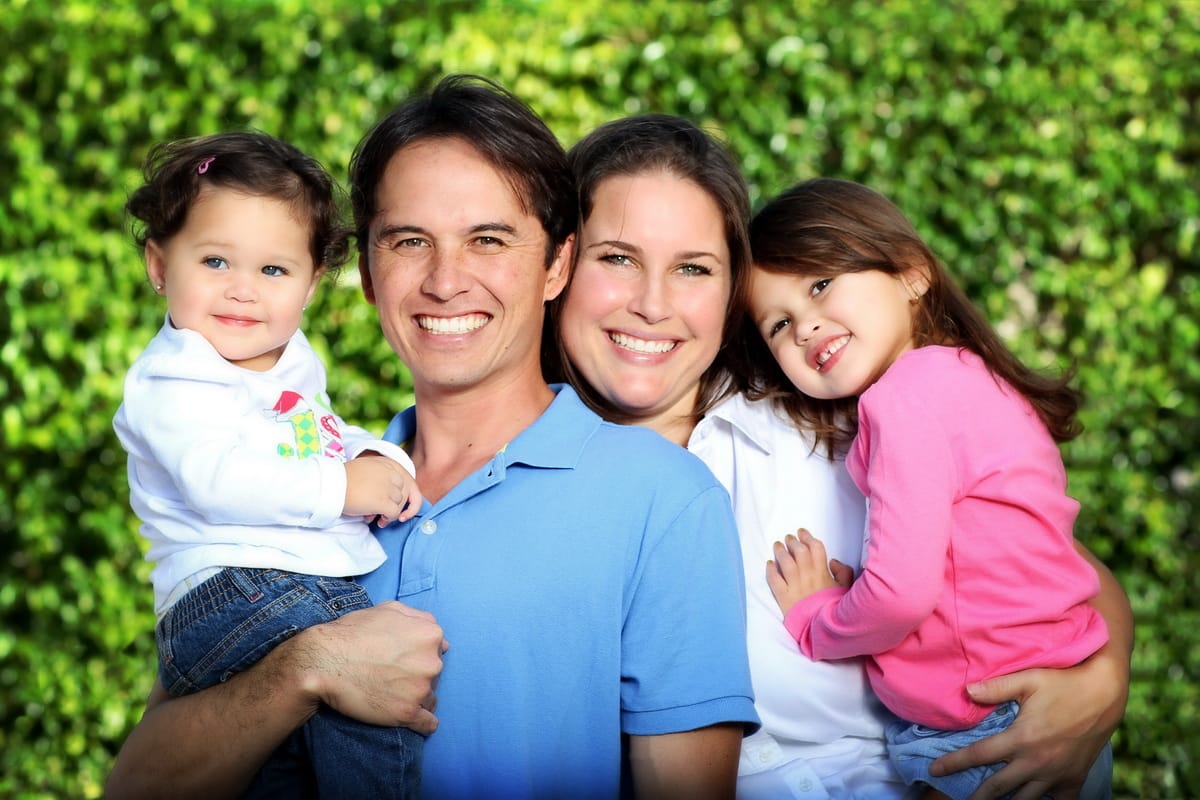
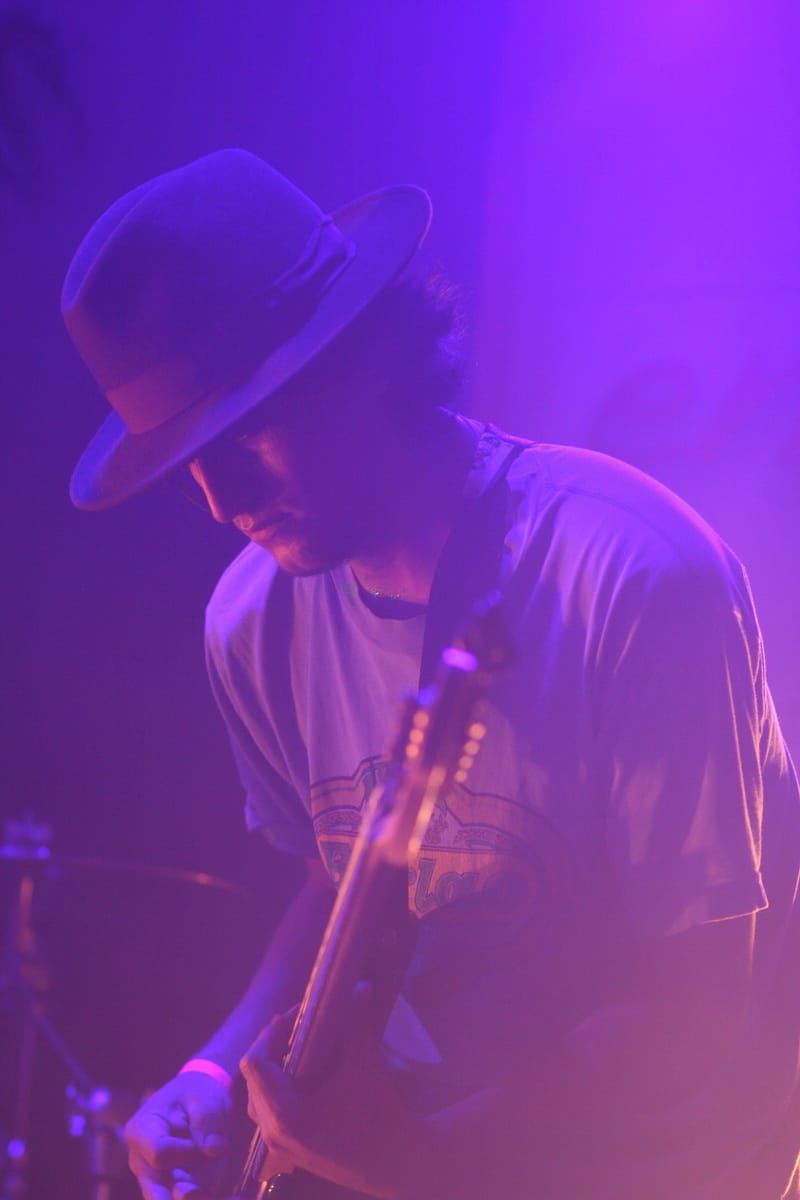
What started as a few family sessions became a revelation. I discovered that portraiture could carry the same authenticity as travel photography if built on trust. Whether shooting a newly engaged couple, a musician mid-performance, or a child in motion—I learned to direct without dictating and to let connection lead the frame.
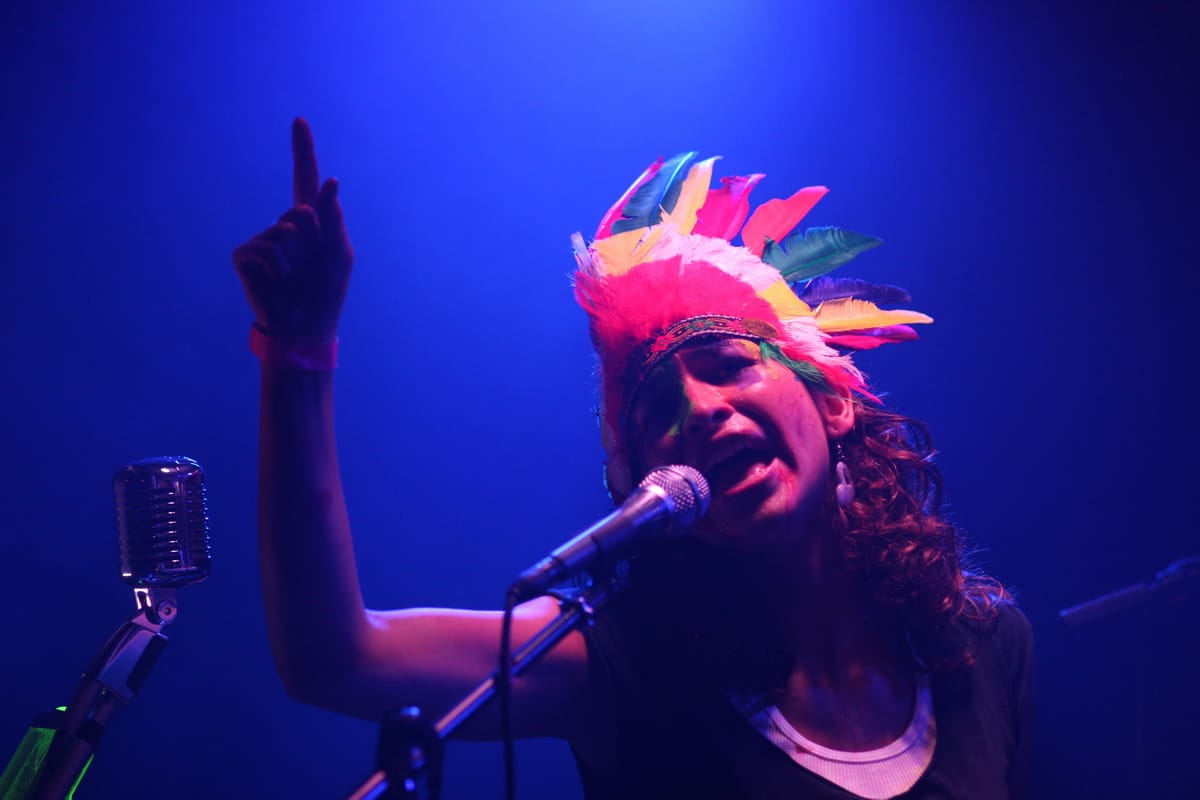
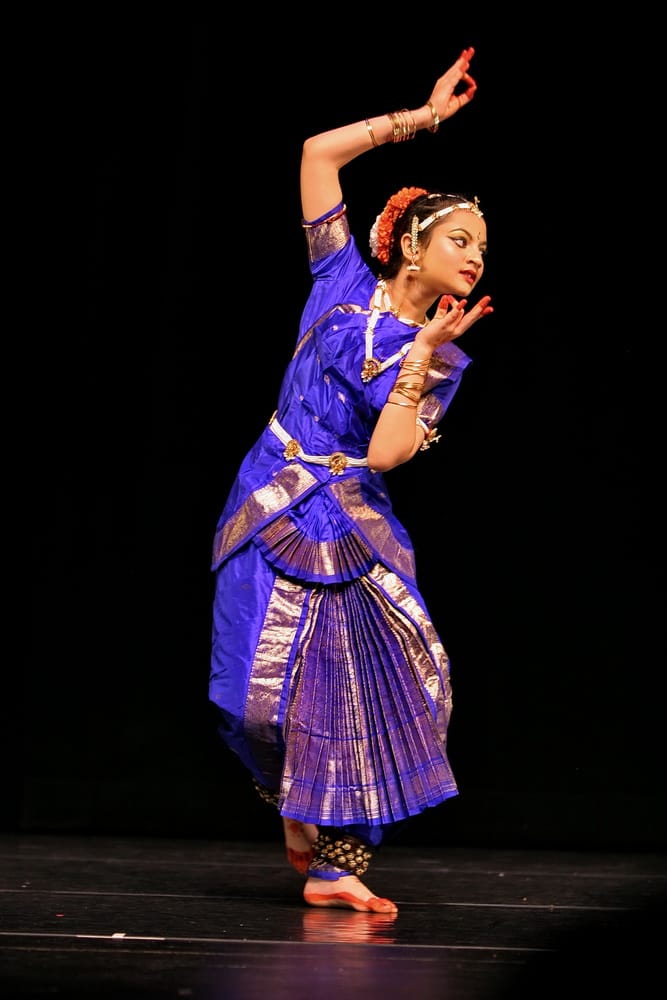
Even in performance, there’s a portrait hidden in the energy.
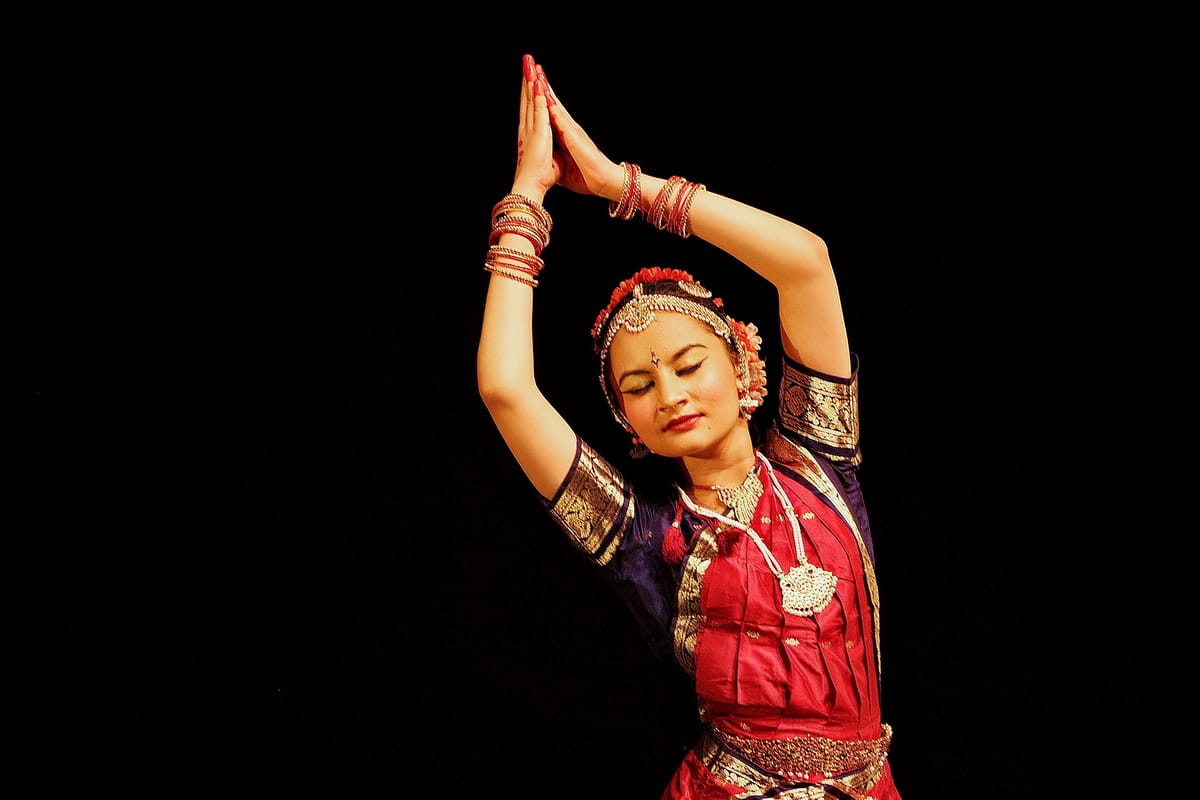
Sofia and Nick: A Promise and a Beginning
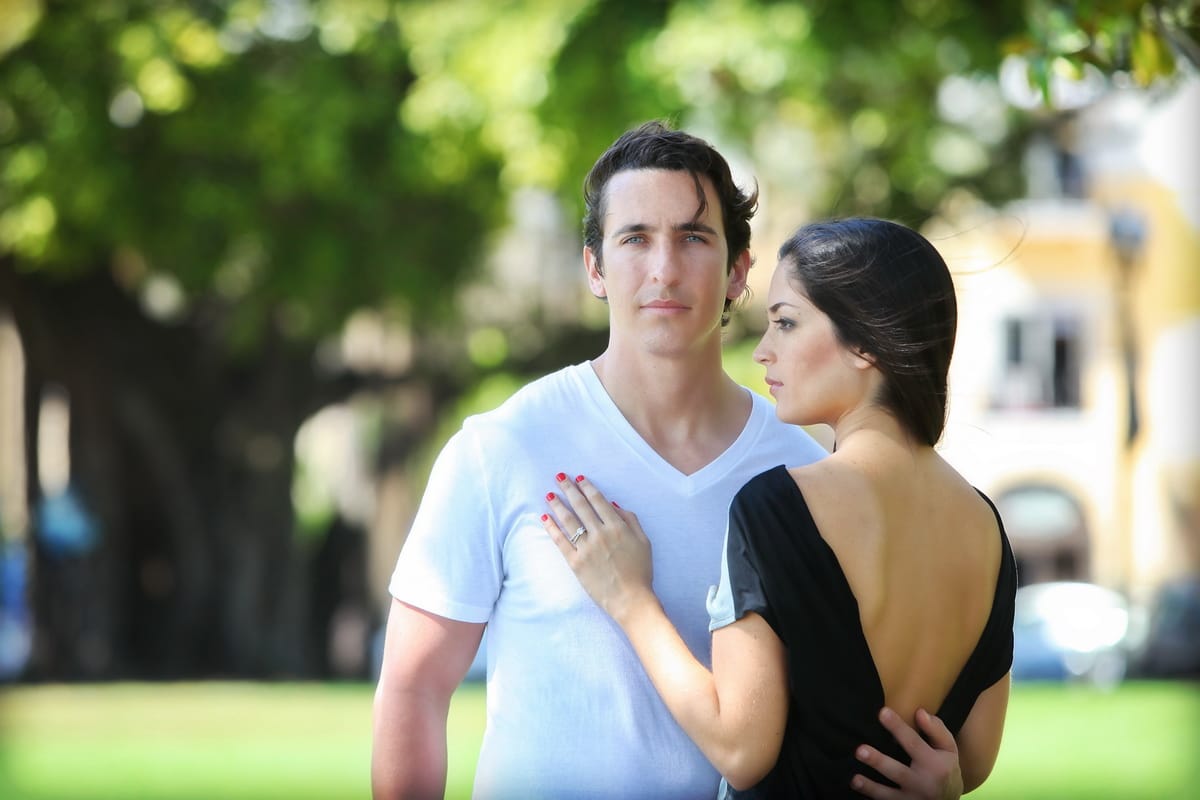
One of my favorite examples came from a promise I made to my high-school friend, Sofia.
Back in 2011, she told me she was getting engaged on 11/11/11. I half-joked that I’d take care of all her photography needs—and when it happened, I kept my word.
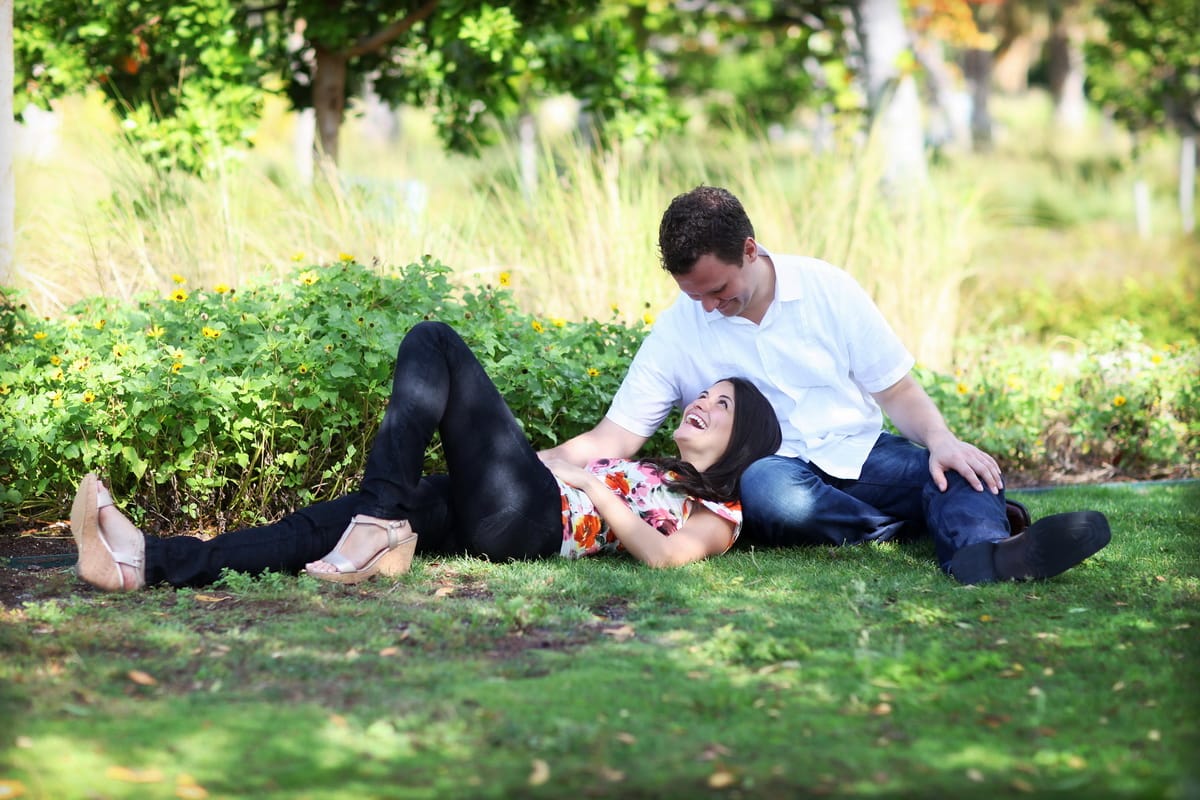
Their engagement shoot in St. Petersburg, Florida, was pure joy. We spent the evening before just hanging out, and by the next morning the energy was effortless. They trusted me completely, and that trust became visible in every frame.
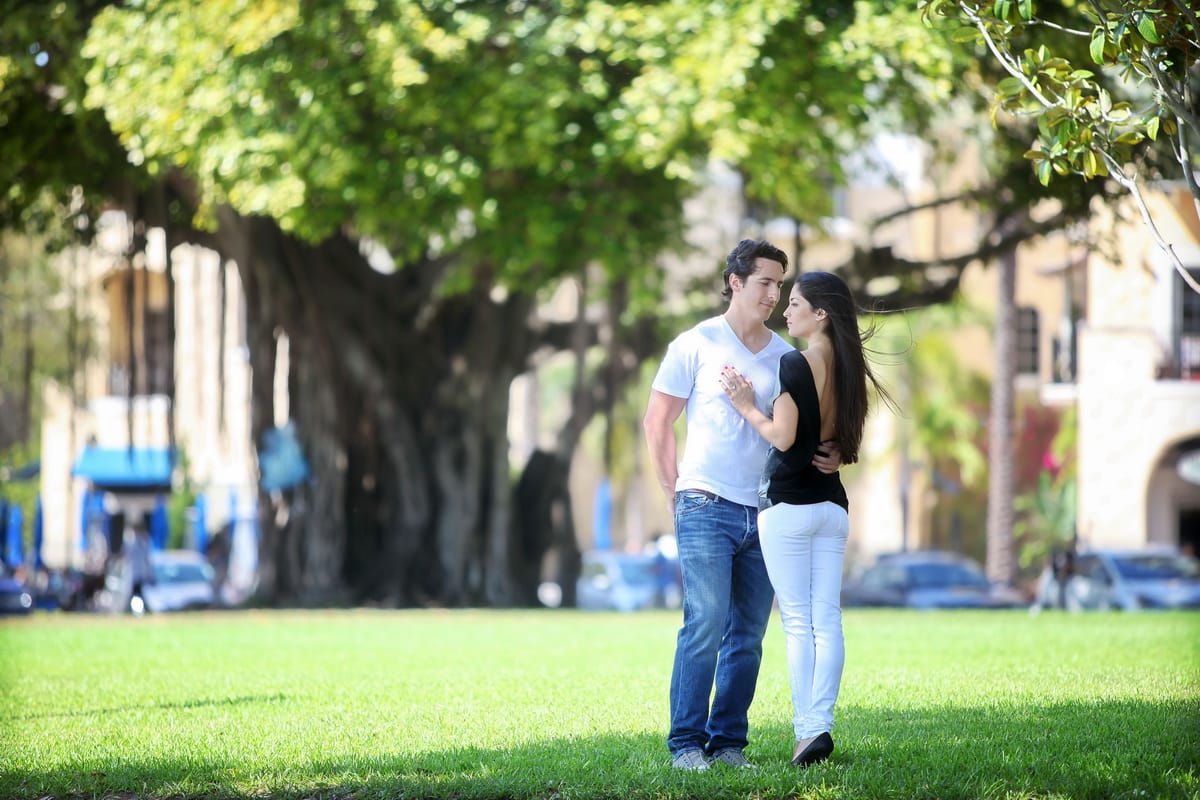
Real comfort creates real beauty.
The joy between them needed no direction.
The Power of Presence in One-on-One Portraits
There’s something deeply intimate about one-on-one portrait sessions. The silence between shots, the subtle shifts in expression, the moment someone stops performing and simply is.
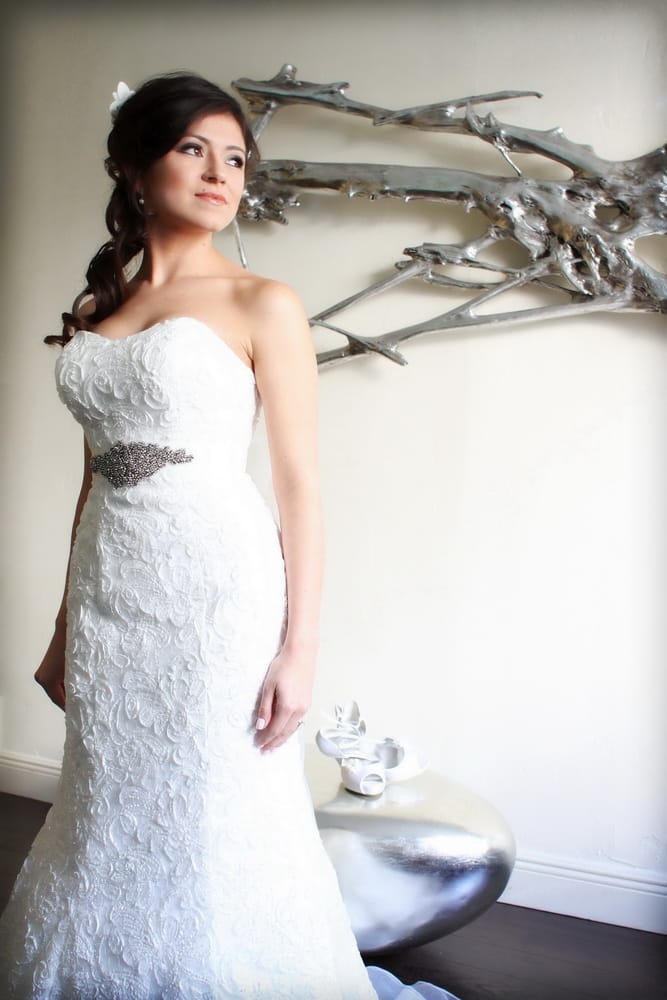
I like to give minimal direction—just enough to make people comfortable without interrupting authenticity. Sometimes I work close, building connection through conversation. Other times I step back with a telephoto lens, allowing distance to create honesty.
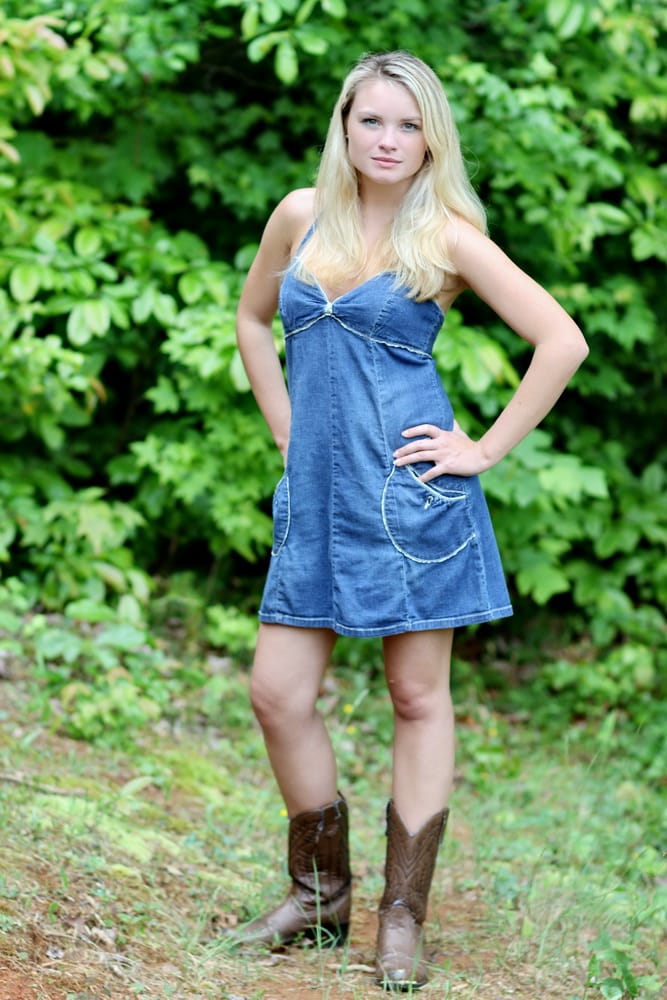
When presence replaces posing, identity shines through.
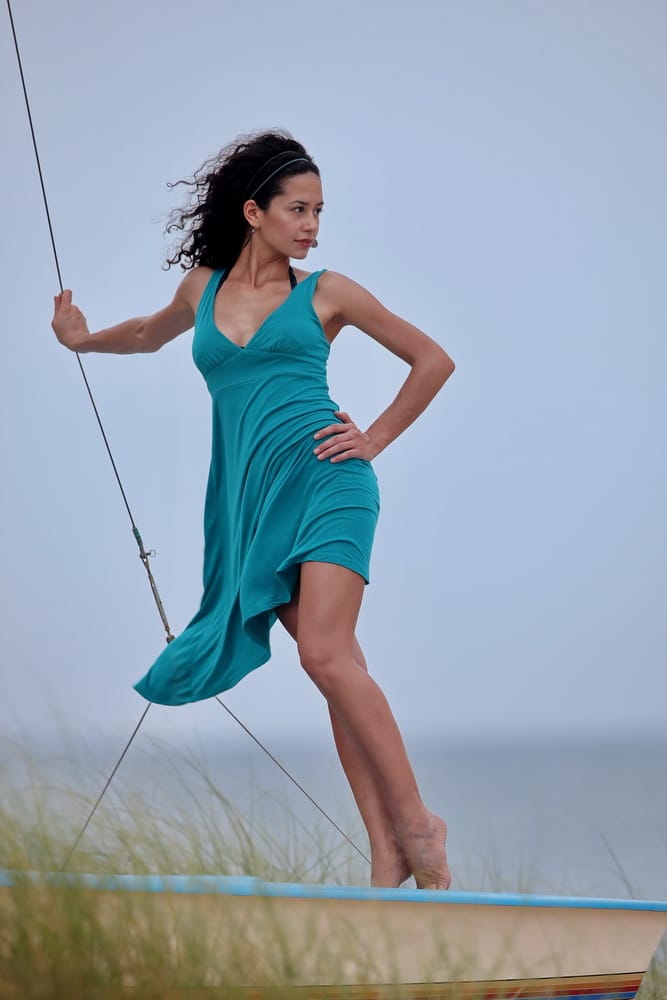
Each session becomes a collaboration, not a composition.

Learning to See Differently: Underwater Lessons
The story of my first underwater shoot began with a call I almost ignored.
After three weeks in Africa, exhausted and jet-lagged, my dive coach Paul asked if I’d audition for a commercial. I said no—until he called again.
That “yes” changed everything. On set, I met Tim Calver, an extraordinary underwater photographer whose enthusiasm was contagious. He shared his process, walked me through gear choices, and inspired me to dive—literally—into this new world.
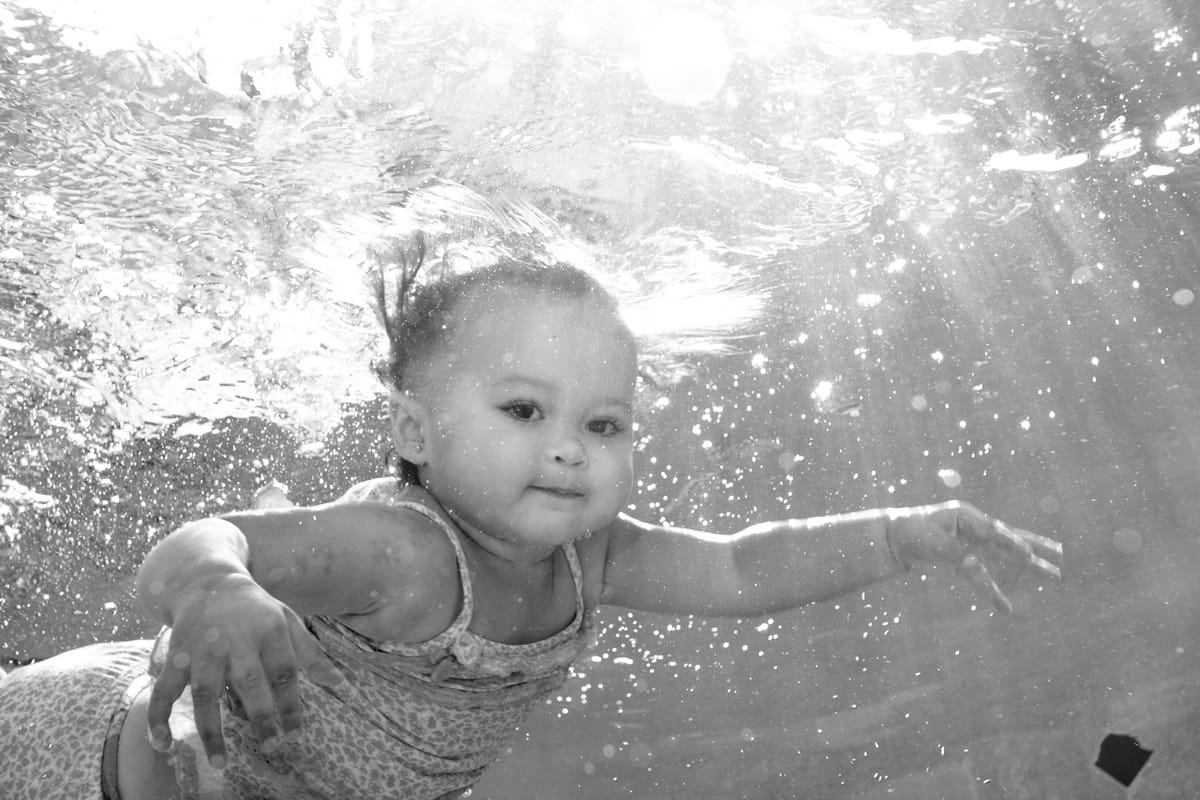
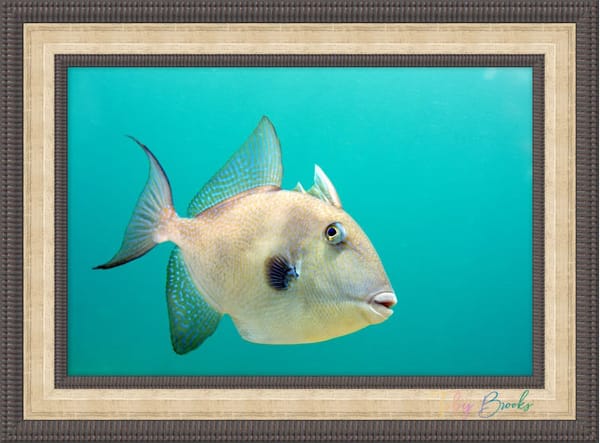
Beneath the surface, everything you know about light changes.
Underwater photography hasn’t replaced portraiture; it’s deepened it. It taught me to surrender control, adapt to unpredictability, and rediscover wonder in the craft I thought I’d mastered.
“Every time I submerge with my camera, I feel like a student again.”
What It Means to Capture Connection
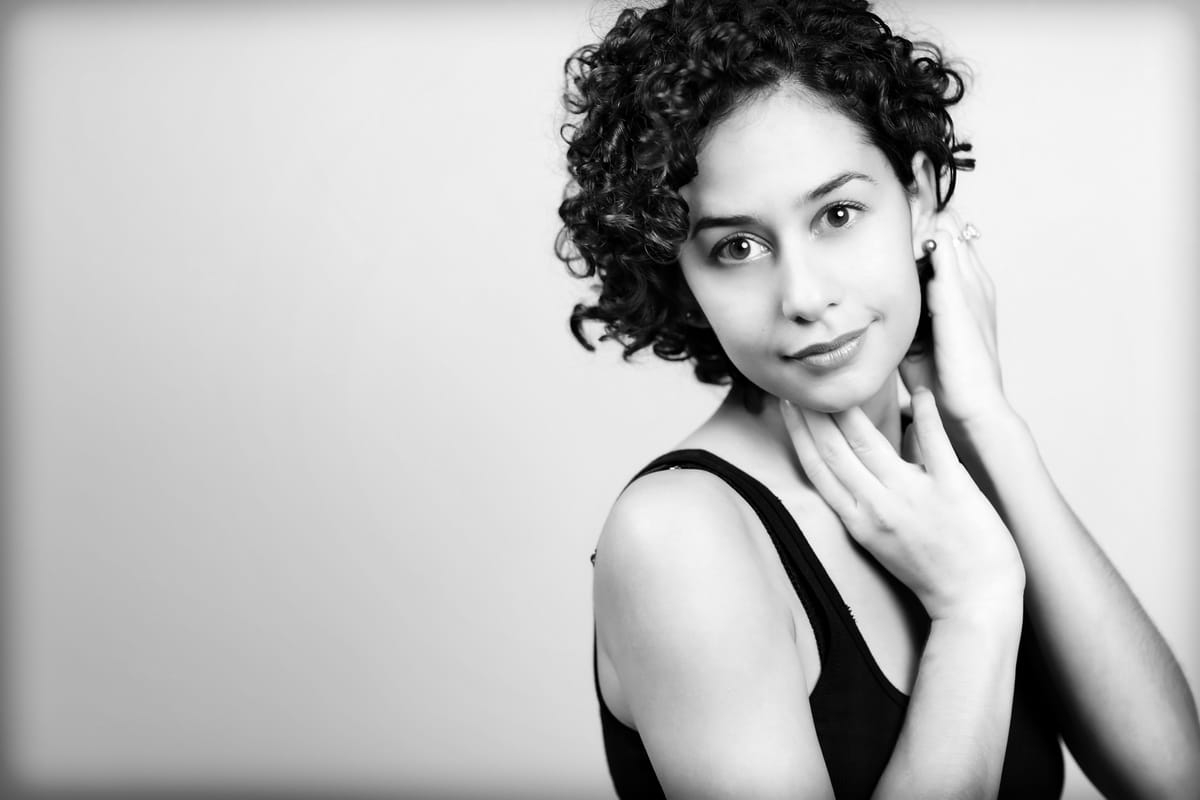
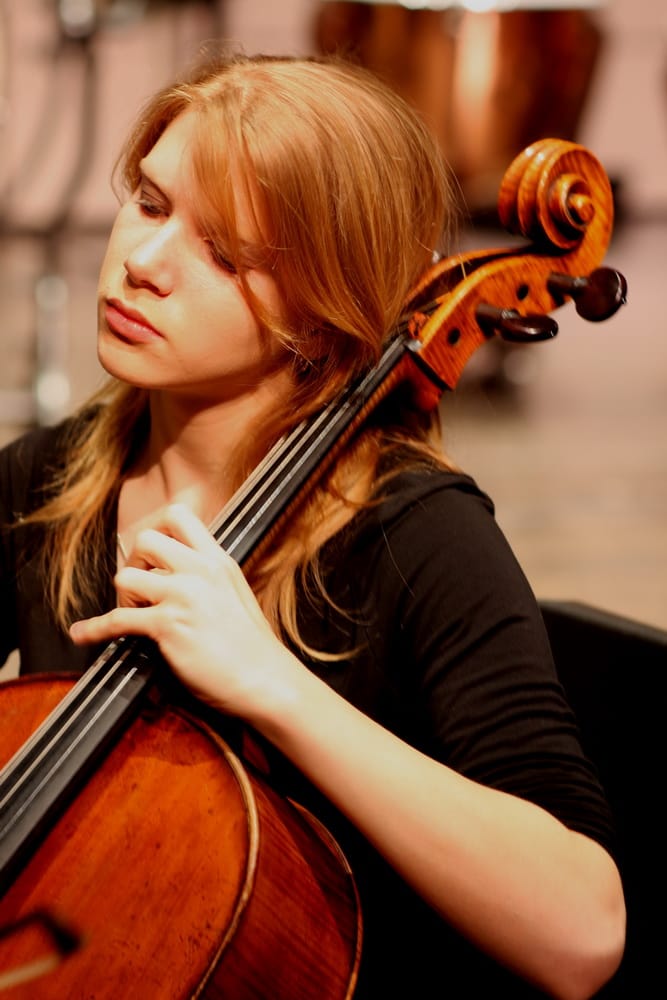
Every person I photograph invites me into their world, if only for a moment. Those moments become memories, and the photographs become proof of presence. Portraiture, I’ve learned, isn’t about perfection—it’s about empathy.
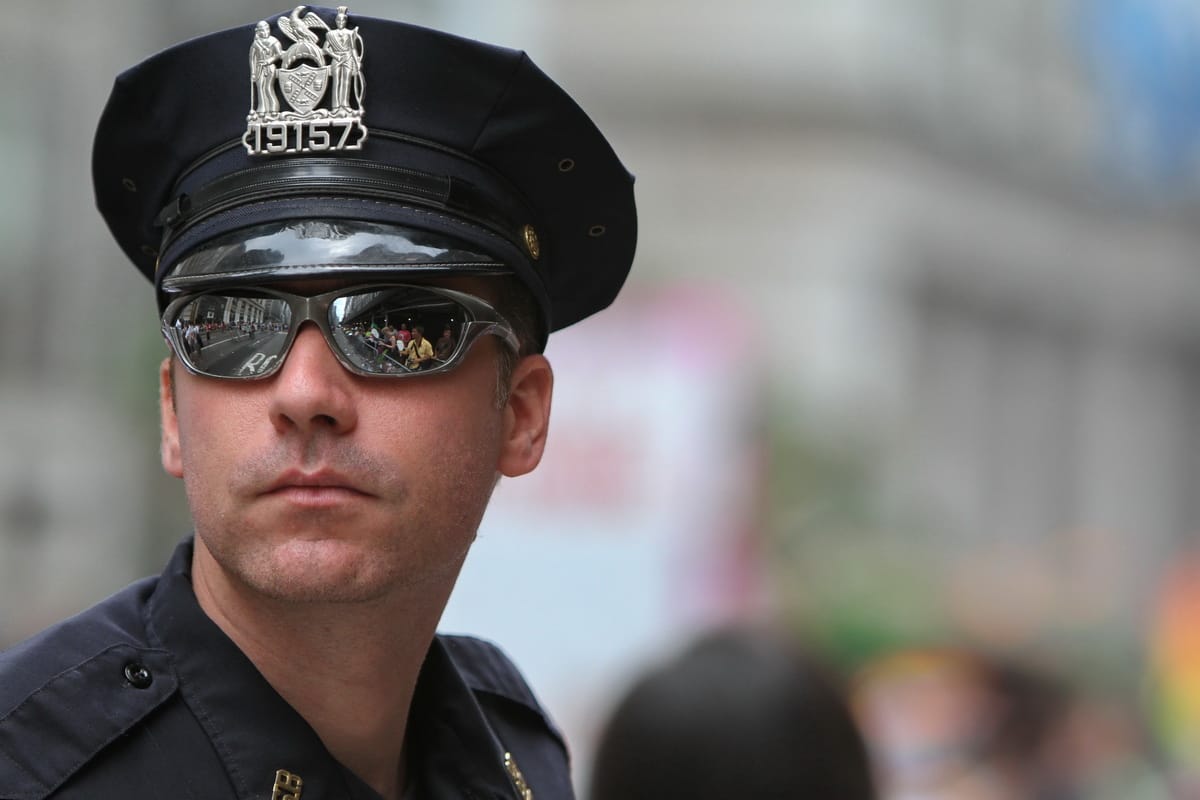
Portraiture celebrates belonging as much as beauty.
It’s about giving someone the courage to see themselves the way the world does when they’re most alive.
Earning Trust: When the Camera Feels Like a Wall
When you earn that kind of moment, it’s no longer about taking a picture. It’s about receiving one—an image freely given by someone who’s chosen to let you in.
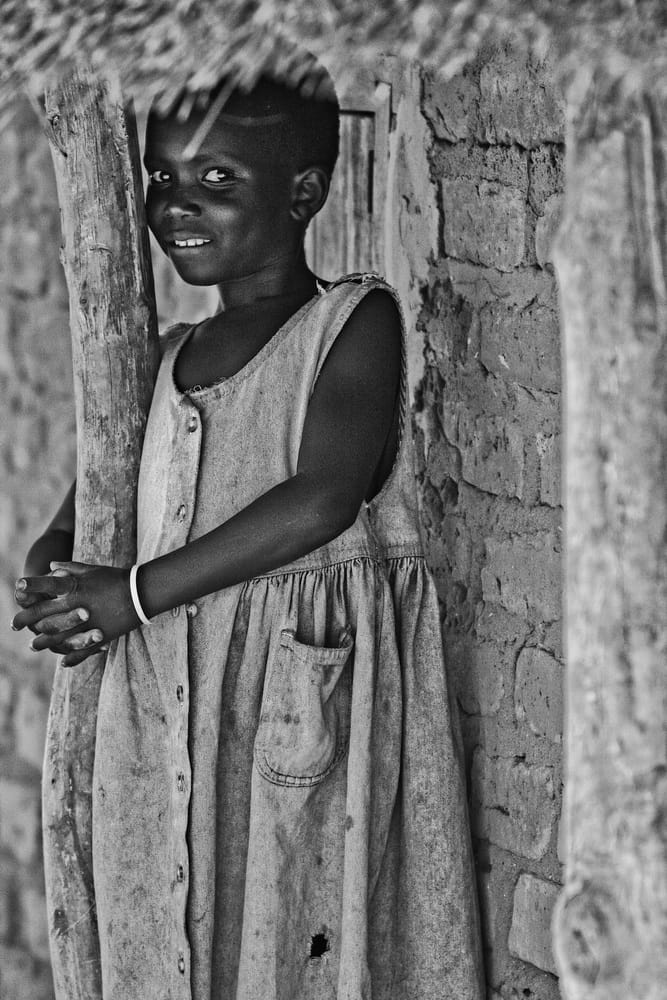
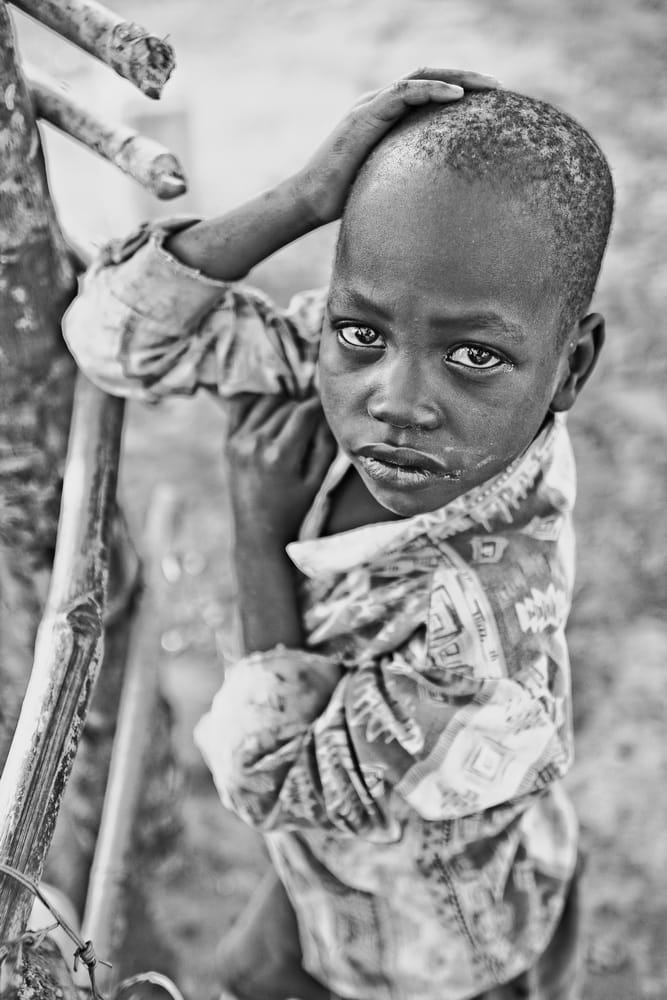
This photograph of the young girl leaning against the post was a reminder of that. She was shy, uneasy about the attention, but her curiosity grew stronger than her fear. Each time I lowered the camera, she stayed a little longer. Her faint smile, her fingers clutching the wooden frame—those were small signals of consent, given not in words, but in trust.
Portraiture—at its most human level—is about consent and trust. You can’t demand openness; you earn it. Sometimes that means putting the camera down and just being present. It’s in the rhythm of conversation, a shared laugh, or simply showing consistency—proving you’ll be patient enough to see them on their terms.
Not every subject begins ready to be seen. Some turn away, fold into themselves, express anger, or freeze the moment a lens is raised. In those moments, the work shifts from photographing to connecting. Earning Trust: When the Camera Feels Like a Wall
Conclusion
Looking back, my path through portraiture feels less like a career and more like an evolution.
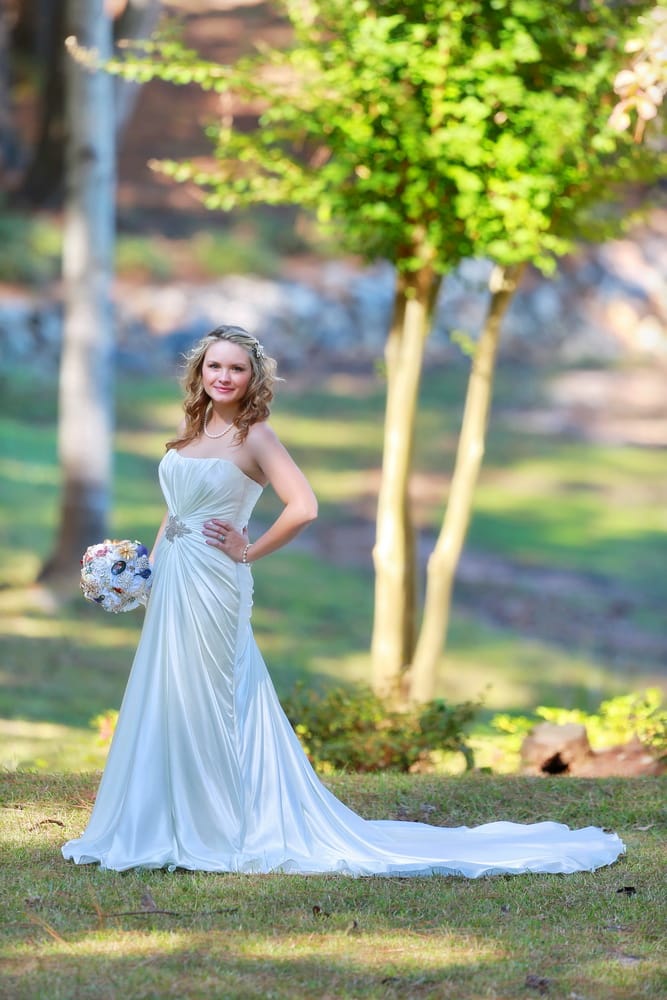
From the spontaneity of travel to the intimacy of one-on-one sessions to the quiet surrender of underwater photography, each chapter has taught me to see—and to be seen—differently.
When I lift my camera now, it’s not about capturing an image.
It’s about listening for that split second when the soul steps into the light.